




Sculptra vs Other Collagen Stimulators: Choosing the Right Approach
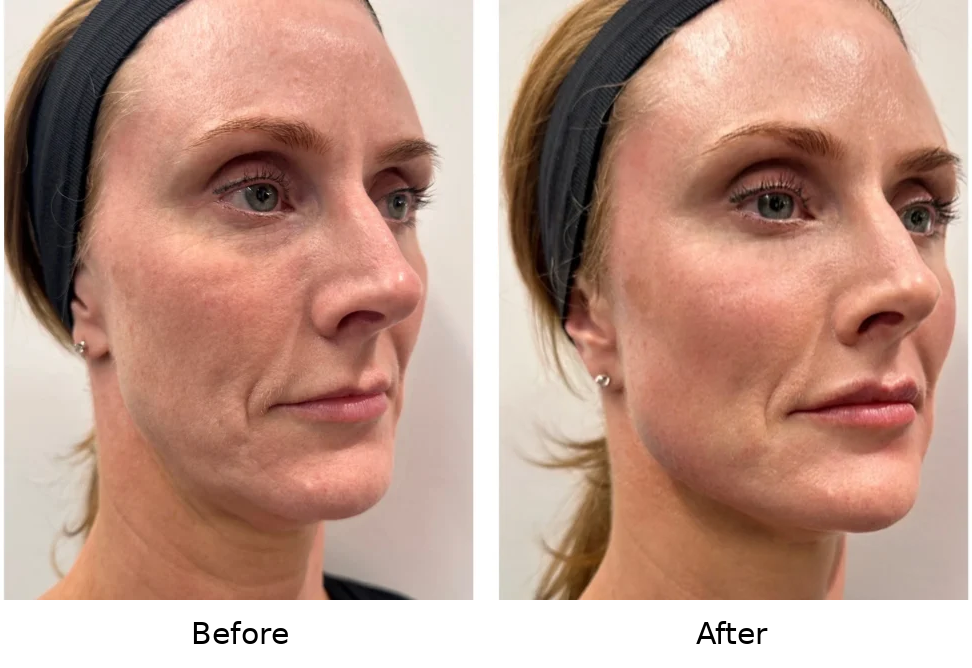
Sculptra and Restylane Skin Boosters both encourage the skin to improve itself, but they work at different depths and for different concerns. Sculptra builds structure and firmness over months, while Restylane Skin Boosters improve hydration and surface quality much more quickly.
Comparing collagen stimulators is easier when you know what each one is designed to change in the skin. At Amer Clinic, our collagen biostimulators include Sculptra® and Restylane Skin Boosters, and we recommend them for quite different reasons. This guide explains how they differ so that a consultation conversation is more straightforward.
What collagen stimulators do
Collagen stimulators are injectables that encourage the skin to make more of its own collagen and elastin. They improve firmness, texture and hydration over several weeks rather than adding obvious volume. This sets them apart from dermal fillers, which give immediate, localised volume that the body gradually absorbs.
Biostimulators add no meaningful volume of their own. They prompt the skin to rebuild, and the material is metabolised as new collagen forms. For many patients, that gradual approach is what makes results look natural.
Sculptra: structure from the deep dermis
Sculptra is made of poly-L-lactic acid (PLLA). It forms a temporary scaffold in the deep dermis that prompts fibroblasts to produce more collagen, and as the material breaks down, new collagen takes its place. The result is described as structural rather than volumetric.
It is used on the face, body and hands, each with its own protocol. You can read more about Sculptra for the face, Sculptra for the body and Sculptra hand rejuvenation. Change is generally noticeable from around six to eight weeks, builds over about three to six months, and a completed course can hold its effect for two years or more.
Restylane Skin Boosters: hydration from the upper dermis
Restylane Skin Boosters use stabilised hyaluronic acid placed in the upper dermis, where it holds water and improves hydration, plumpness and the way skin reflects light. The injection also gives fibroblasts a mild stimulus. They are well suited to dull or tired skin, early fine lines and the neck and décolletage.
Initial change appears within days, with the full effect at three to four weeks, and results typically last four to six months. Our page on skin boosters covers the treatment in more detail.
Sculptra and Restylane Skin Boosters side by side
| Sculptra (PLLA) | Restylane Skin Boosters (hyaluronic acid) | |
|---|---|---|
| Where it works | Deep dermis | Upper dermis |
| Main focus | Structural support and firmness | Hydration and surface quality |
| When change appears | From around 6 to 8 weeks, building over 3 to 6 months | Within days, with the full effect at 3 to 4 weeks |
| How long it lasts | Two years or more after a completed course | Typically 4 to 6 months |
| Typical course | Two to four sessions, four to six weeks apart | Often a course of three, two to four weeks apart |
Choosing between them
The simplest way to think about the choice is to match the treatment to the concern. Sculptra is generally the better fit where there is structural decline, such as thinning skin, loss of firmness or softening contour. Restylane Skin Boosters are better suited to hydration, dullness and fine surface lines.
Many patients use both in sequence, with Sculptra building structure and skin boosters refining quality. Where volume needs to be restored immediately in a specific area, dermal fillers may be added, and combinations with lasers or Morpheus8 can also be considered. Sequencing is always set at consultation.
Who each treatment suits, and who it does not
Both treatments are suitable for adults with thinning skin, loss of firmness, dullness or early signs of ageing. Neither is suitable during pregnancy or breastfeeding, in an area of active infection or inflammation, or for some autoimmune or connective tissue conditions. A full medical history at consultation confirms whether treatment is appropriate.
Discomfort is generally mild, with topical numbing applied first, and downtime is minimal. Mild swelling, redness or tenderness usually settles quickly.
How the treatment experience compares
Both treatments are delivered in clinic as a short appointment, with topical numbing applied beforehand. Sculptra sessions place product at a deeper level and are followed by a simple aftercare routine, which we explain on the day. Skin boosters involve a series of fine micro-injections across the treatment area, and mild swelling or small marks usually settle within a day or two.
Neither treatment replaces the other. They are tools with different strengths, and the most natural results usually come from choosing the right one for each concern, and the right order in which to use them. We would rather take a measured, staged approach than treat everything at once.
Frequently Asked Questions
What is the difference between Sculptra and Restylane Skin Boosters?
Sculptra works in the deep dermis to improve structure and firmness over months. Restylane Skin Boosters work in the upper dermis to improve hydration and surface quality within weeks.
Are collagen stimulators the same as dermal fillers?
No. Fillers add immediate, localised volume, whereas collagen stimulators improve tissue quality gradually by prompting the skin to rebuild itself. They are often used together.
How many sessions will I need?
Most biostimulator courses run two or three sessions, four to six weeks apart, and Sculptra courses may run up to four. Restylane Skin Boosters are often started as a course of three. Your plan is confirmed at consultation.
Which one is right for me?
Sculptra suits structural decline, while Restylane Skin Boosters suit hydration, dullness or fine surface lines. Many patients use both in sequence.
Can I combine them with other treatments?
Yes. Biostimulators can be combined with lasers, dermal fillers or Morpheus8, with the sequencing planned at your consultation.
Considering Treatment
The right choice depends on your skin, your anatomy and what you would like to change, which is why we assess before we recommend. A consultation at our Kensington clinic lets us look at all of these together and explain your options plainly. You can book a private consultation to begin.