






Regenerate. Strengthen. Sustain.
Biostimulators are injectable treatments that prompt the skin to rebuild its own collagen and elastin rather than adding volume at the surface. Results develop progressively, improving firmness, texture and resilience over a series of weeks rather than appearing on the day of treatment.
At Amer Clinic London, biostimulator treatments are selected and placed according to your skin's individual needs, supporting long-term skin health while preserving your natural structure and expression.
Book a ConsultationCollagen Biostimulators London | Injectable Skin Regeneration | Amer Clinic
How Biostimulators Renew Your Skin
Biostimulators work by activating the skin's own repair processes rather than masking signs of ageing. Once injected, they form a supportive framework within the dermis that encourages fibroblasts to produce new collagen and elastin. This gradual regeneration improves skin strength, elasticity and texture over time, and because the change develops progressively the outcome appears natural and balanced.
Different biostimulators work at different depths and through different mechanisms. Hyaluronic acid based options focus on hydration and surface quality, improving how the skin looks and feels within weeks. Poly-L-lactic acid works deeper and more slowly, restoring structural integrity over several months. The appropriate choice depends on whether the concern is skin quality, structural support, or both.
Book a Consultation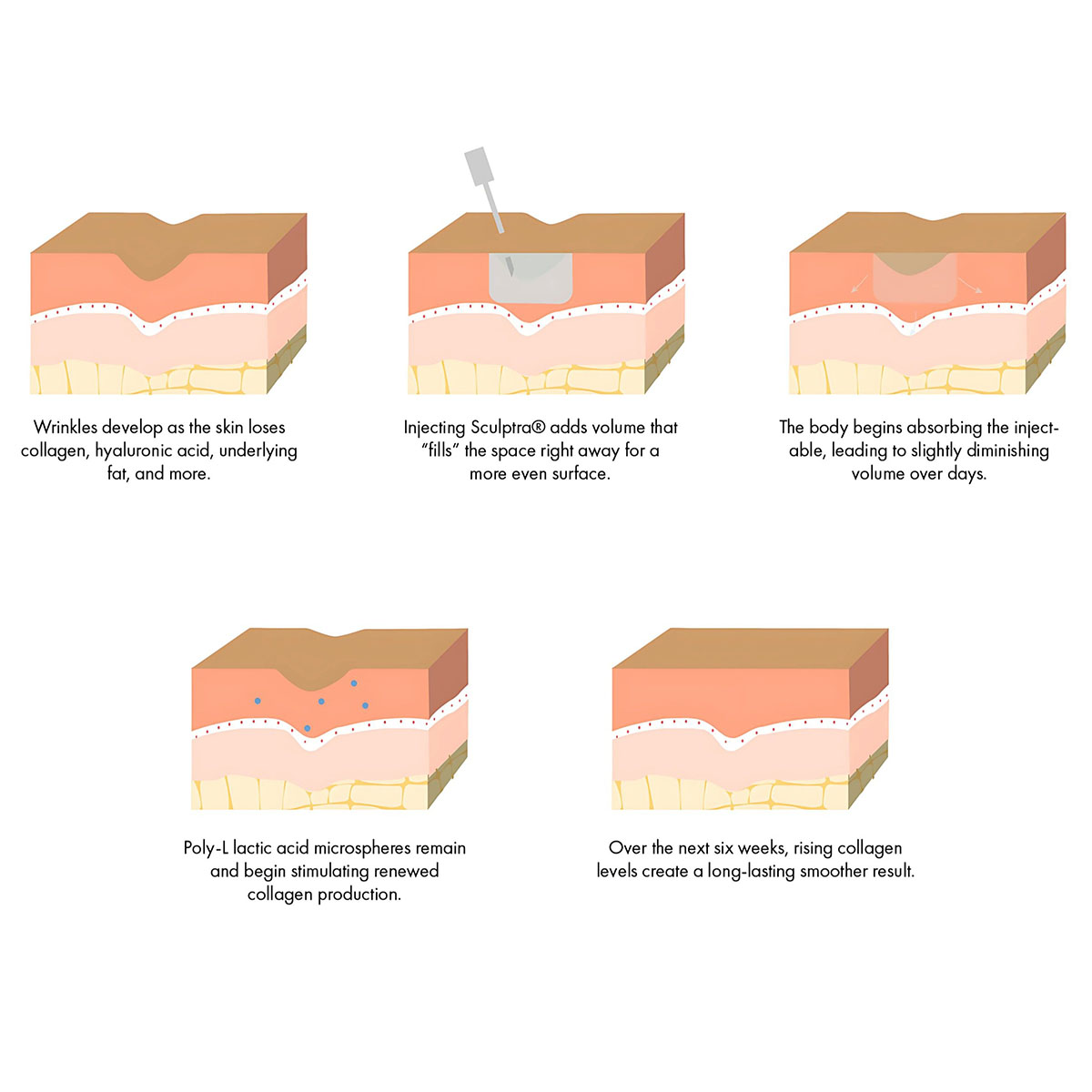
Before & After
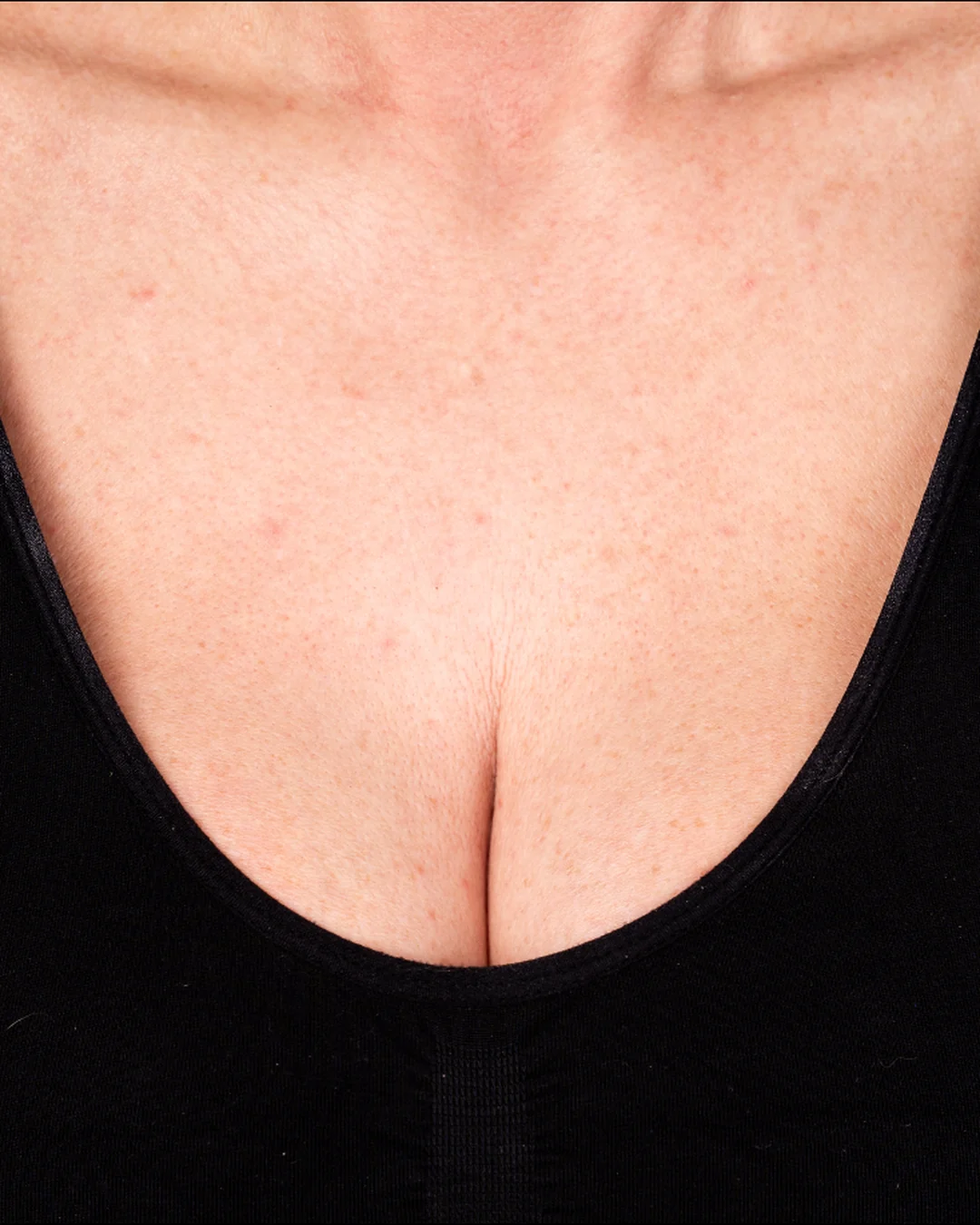
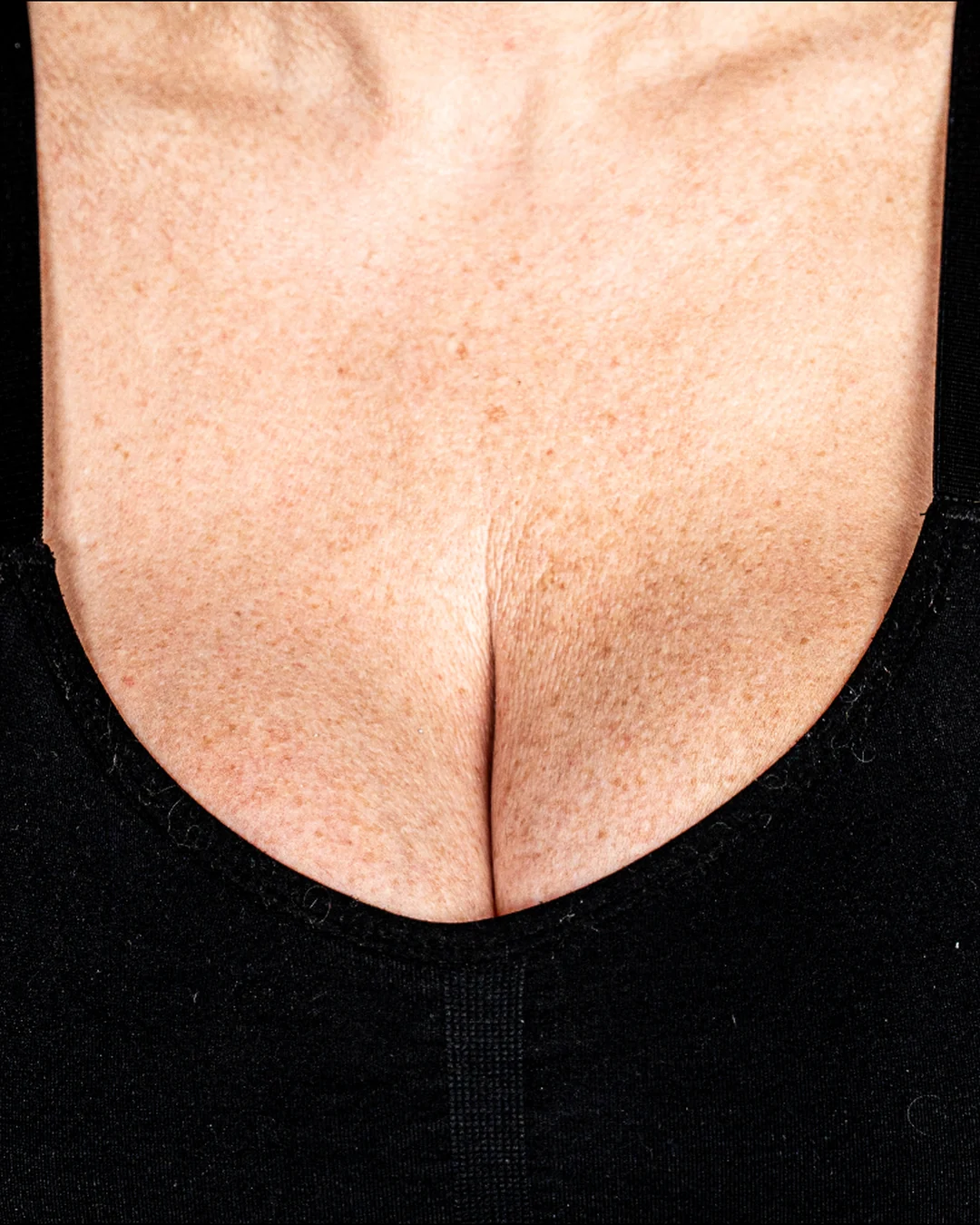
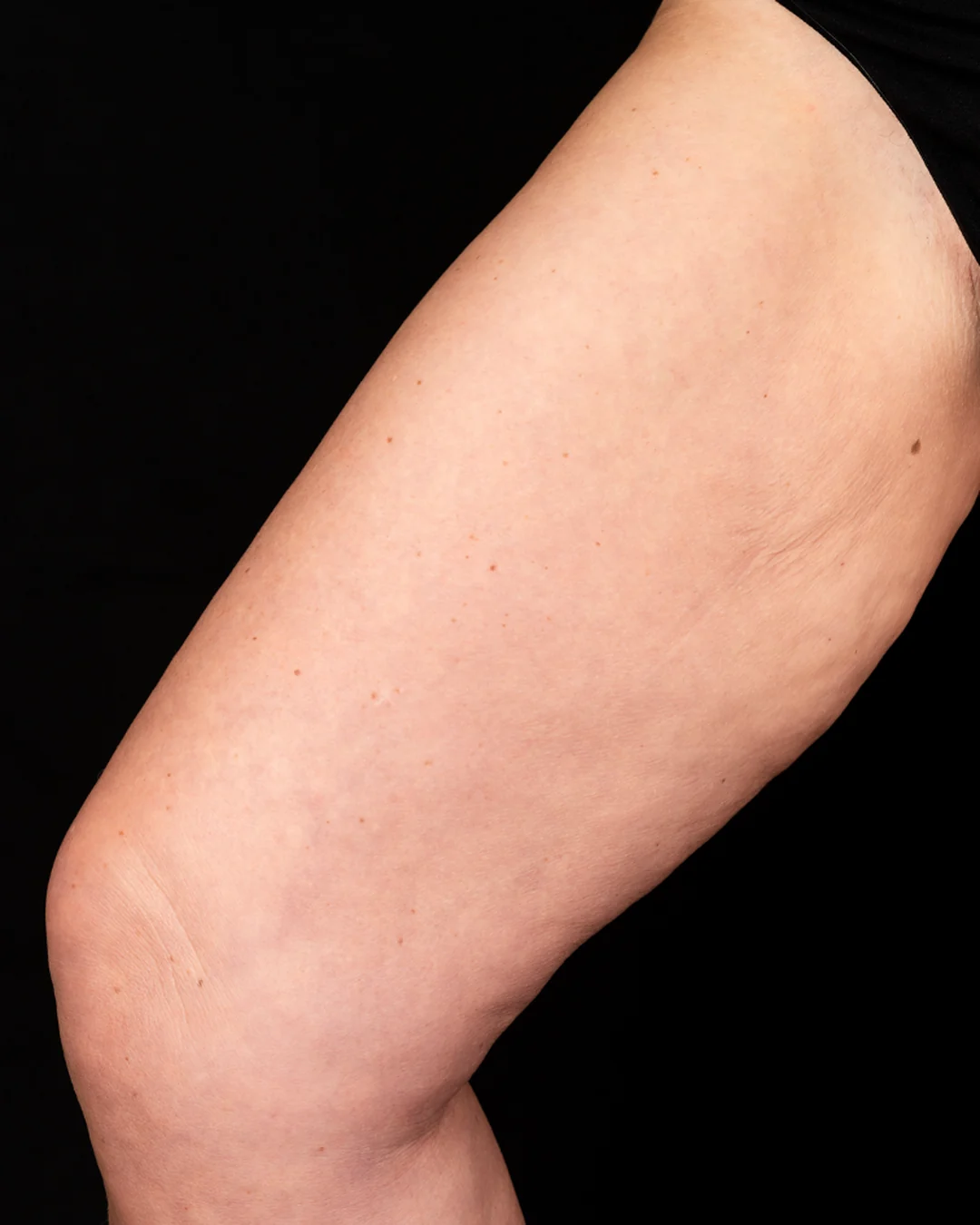
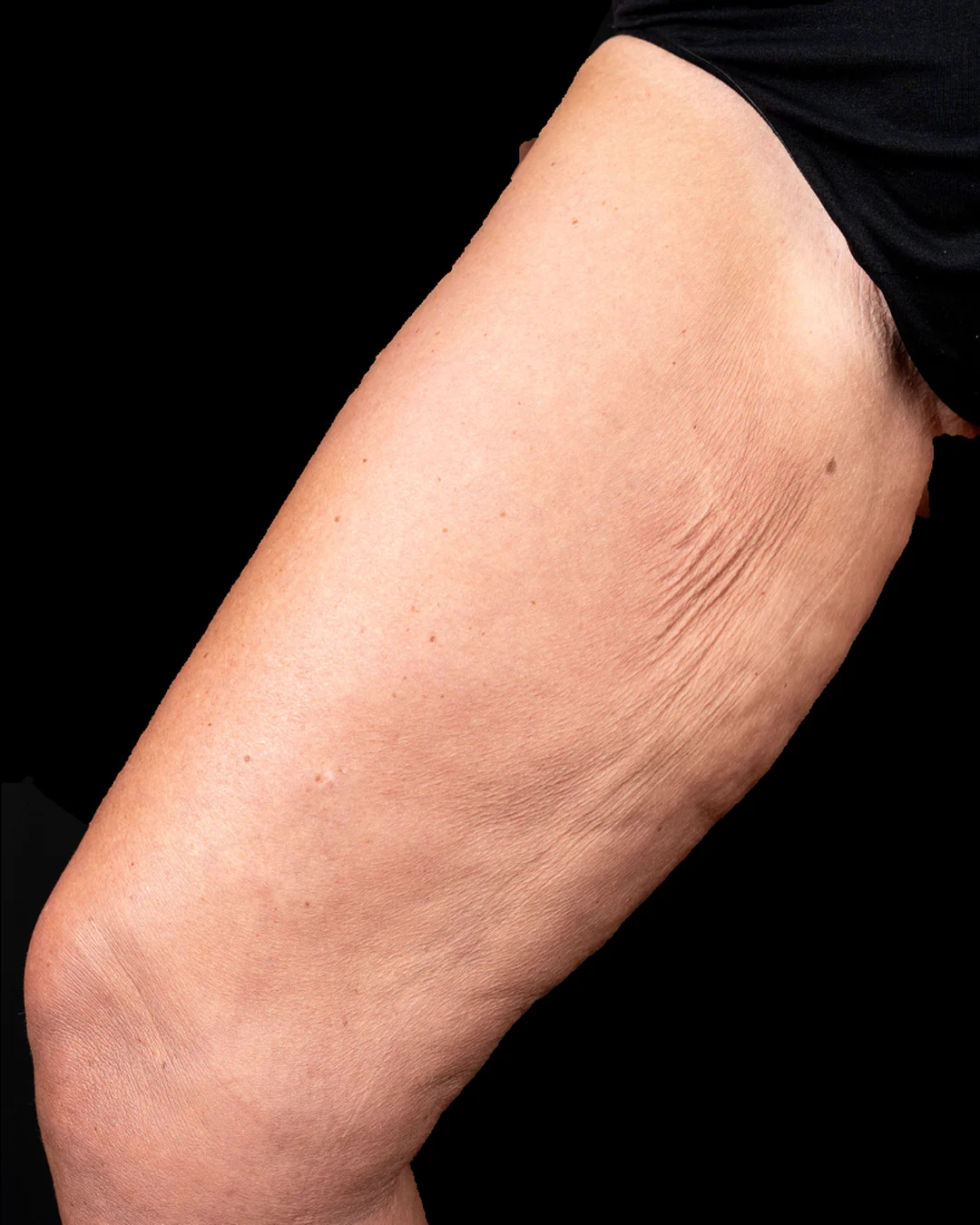
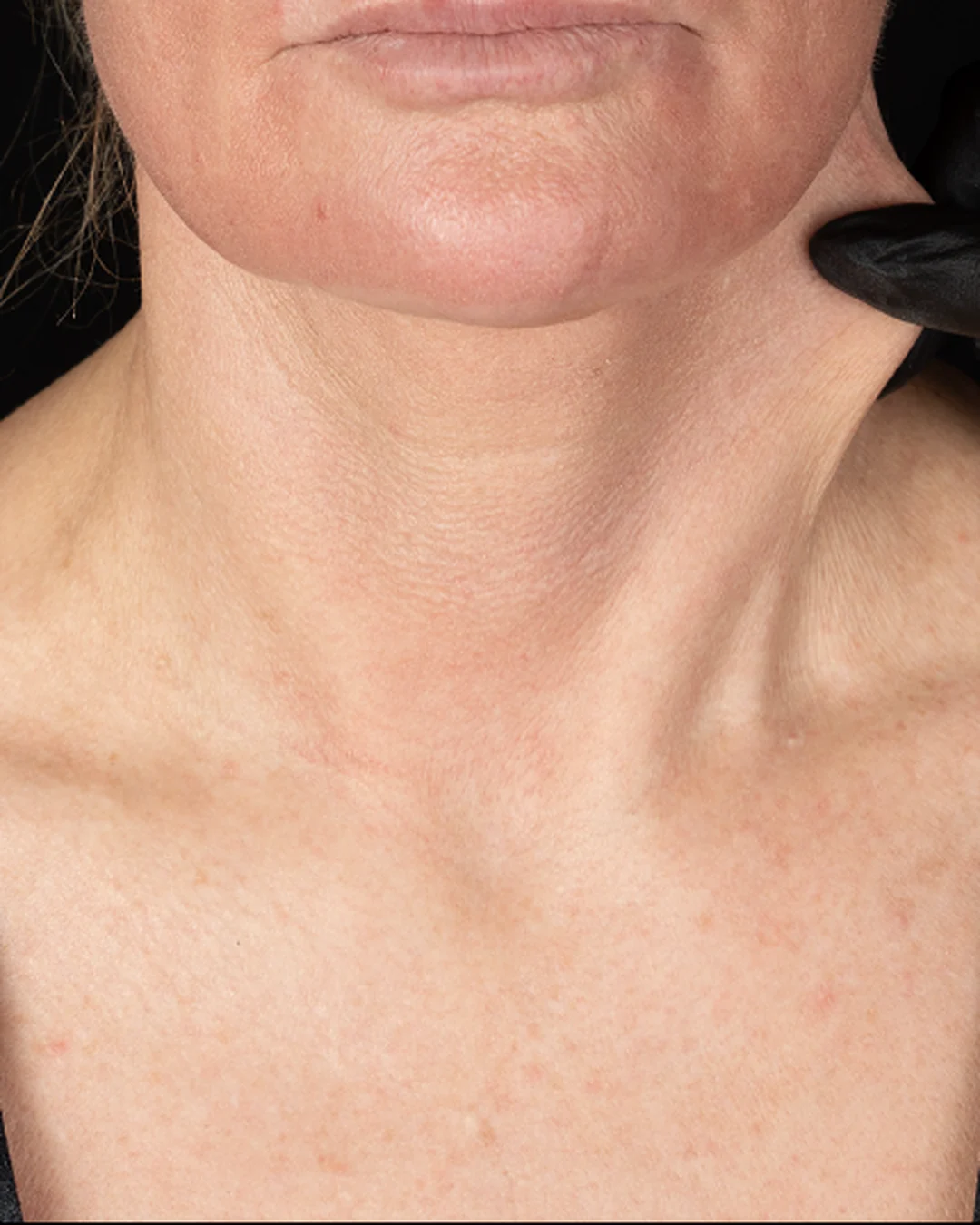
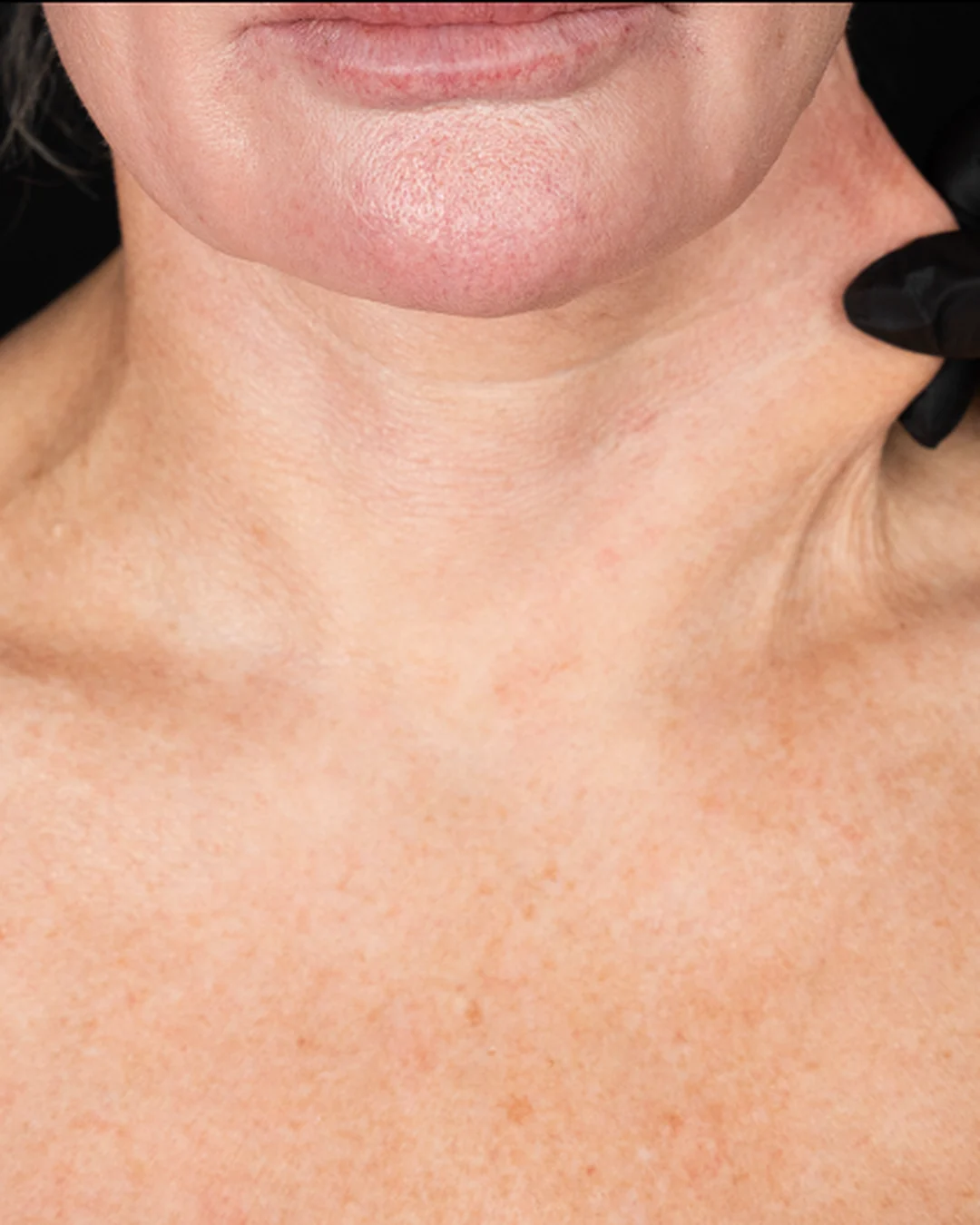
Real collagen biostimulator treatment results at Amer Clinic London. Drag each slider to compare.
 Before
After
Before
After
 Before
After
Before
After
 Before
After
Before
After
Biostimulators Overview
The skin's structural framework is built from collagen and elastin, produced by fibroblasts within the dermis. From the mid-twenties onwards fibroblast activity slows, and the framework they maintain begins to thin. The visible consequences are familiar: skin that looks flatter and less resilient, a surface that no longer reflects light evenly, and a gradual softening of firmness that topical skincare cannot reach because it does not act at that depth.
Biostimulators address the problem at its source. Rather than replacing what has been lost, they stimulate the cells responsible for producing it, so the improvement is built from your own tissue. This is a fundamentally different proposition from a treatment that adds material to the skin, and it is why results take time to appear and tend to hold once they do.
Choosing a Biostimulator
The right biostimulator depends on what the skin actually needs. Where the concern is hydration, dullness, or fine surface lines, a hyaluronic acid based option produces a visible change within weeks and is often used as a course before a wedding, an event, or a seasonal reset. Where the concern is structural, involving loss of firmness or thinning of the dermis itself, a poly-L-lactic acid biostimulator works at greater depth over a longer timescale.
Many patients benefit from both, sequenced rather than combined in a single session. All biostimulator treatments at Amer Clinic are preceded by a consultation with Dr Priyanka Chadha or a member of the Amer Clinic medical team, drawing on a detailed understanding of skin anatomy and individual treatment planning.
Biostimulators vs. Dermal Fillers
The distinction matters because the two are frequently confused. Dermal fillers occupy space beneath the skin, producing an immediate and localised change in contour that the body gradually absorbs. Biostimulators occupy no meaningful space. They act as a signal, prompting the skin to rebuild, and the material itself is metabolised as the new collagen forms.
The practical difference is what each is good for. Fillers correct a specific deficit at a specific point, quickly. Biostimulators improve the quality and resilience of the tissue across a broader area, slowly. A complete plan often uses both, with dermal fillers handling precise contour work and biostimulators improving the foundation they sit on.
Are Biostimulators Worth It?
The value depends on what you are trying to achieve and how patient you are willing to be. Biostimulators are not the right choice for an immediate correction before a specific date, and they are not a substitute for surgery where structural change has gone beyond what tissue regeneration can address. Where they earn their place is in improving the quality of the skin itself, which is the concern most patients describe when they say they look tired rather than that they look older.
Because the improvement is your own tissue rather than a product awaiting absorption, it is more durable than most injectable alternatives. Cost reflects the type of biostimulator used, the area treated and the number of sessions involved, all confirmed at consultation once your skin has been assessed.
Types of Biostimulator
Biostimulators fall into two broad categories, distinguished by the mechanism through which they work and the type of change they produce.
Structural Collagen Regeneration
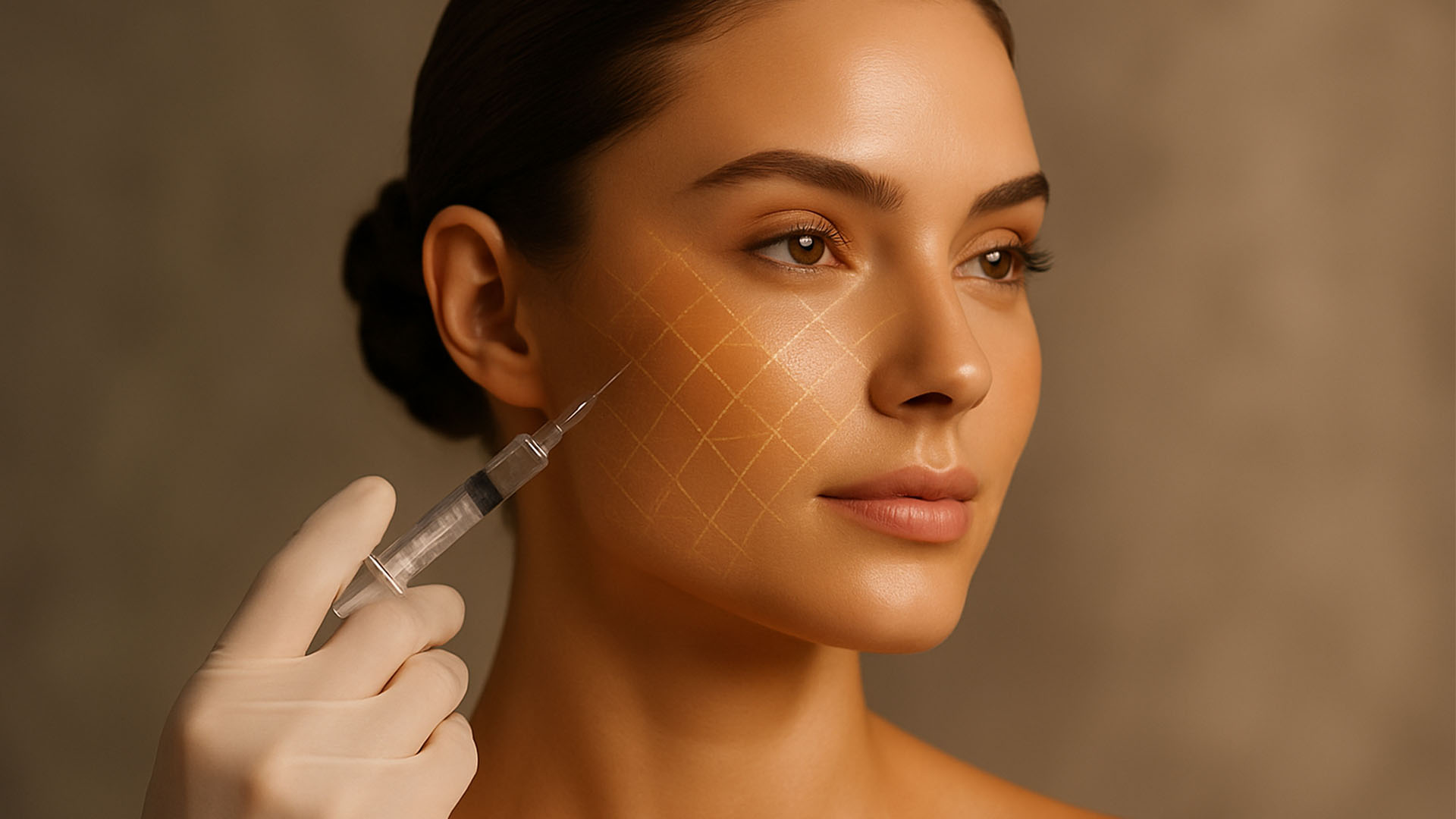
Poly-L-lactic acid biostimulators form a temporary scaffold in the deep dermis that prompts fibroblasts to increase collagen synthesis. As the material is metabolised, new collagen develops in its place. The change is structural rather than volumetric, developing across six to twelve weeks and holding for up to two years after a completed course.
Sculptra is the poly-L-lactic acid biostimulator used at Amer Clinic, with protocols specific to the face, body and hands.
Deep Hydration and Surface Quality
Hyaluronic acid skin boosters use stabilised HA delivered into the upper dermis to hold water within the tissue, improving hydration, plumpness and light reflection. Alongside the hydration effect, the injection itself provides a mild stimulus to fibroblast activity, supporting gradual improvement in surface quality.
Restylane® is the hyaluronic acid skin booster used at Amer Clinic. It is well suited to dull or tired skin, early fine lines, and the delicate skin of the neck and décolletage, with initial change visible within days and full effect at three to four weeks.
Related Concerns
Biostimulators are most often considered where the underlying issue is declining collagen support or diminished skin quality rather than surface change alone.

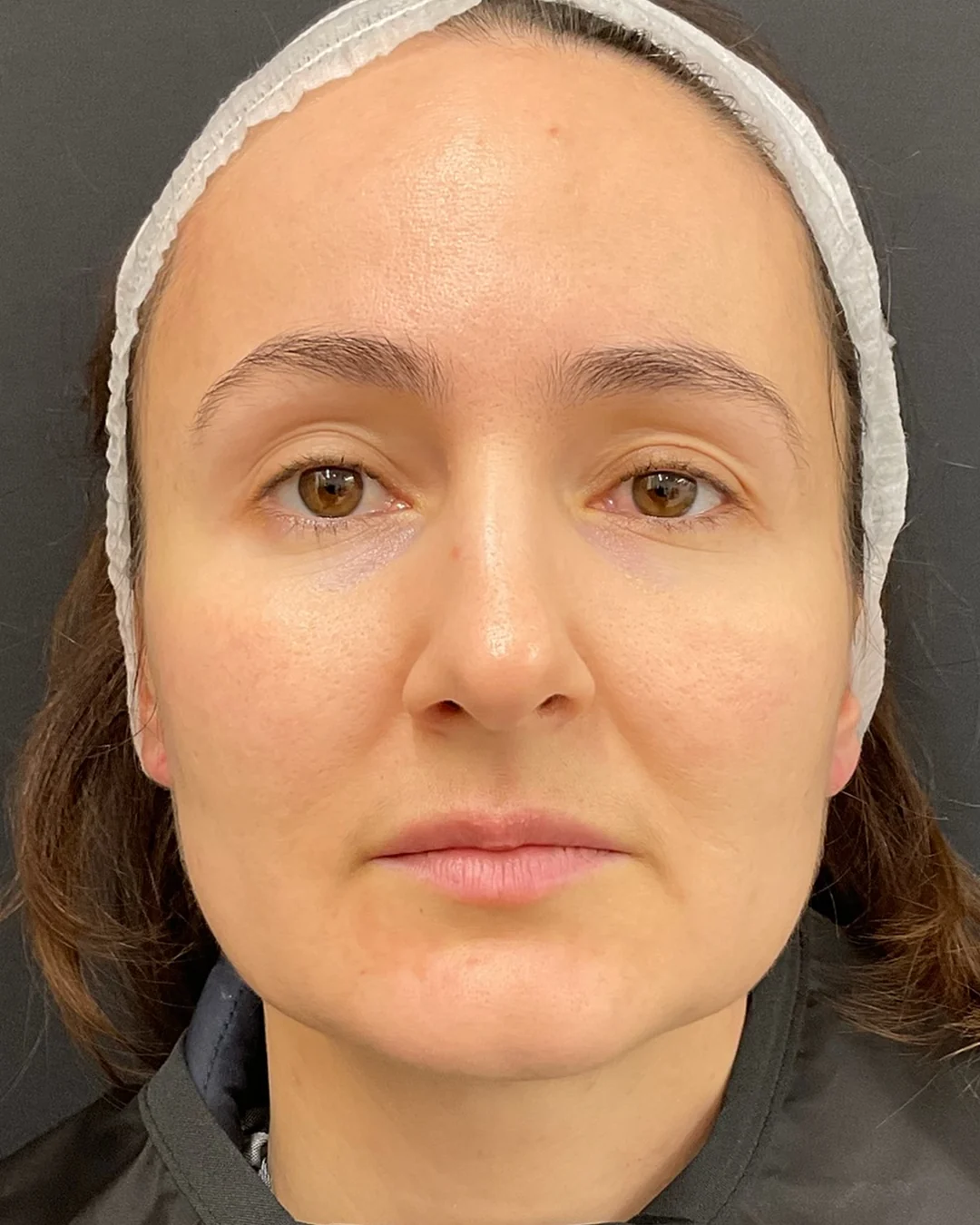
Loose Sagging Skin
Softening along the jawline and lower face usually reflects a loss of underlying collagen support rather than excess skin, which is what biostimulation is designed to rebuild.
Explore loose sagging skin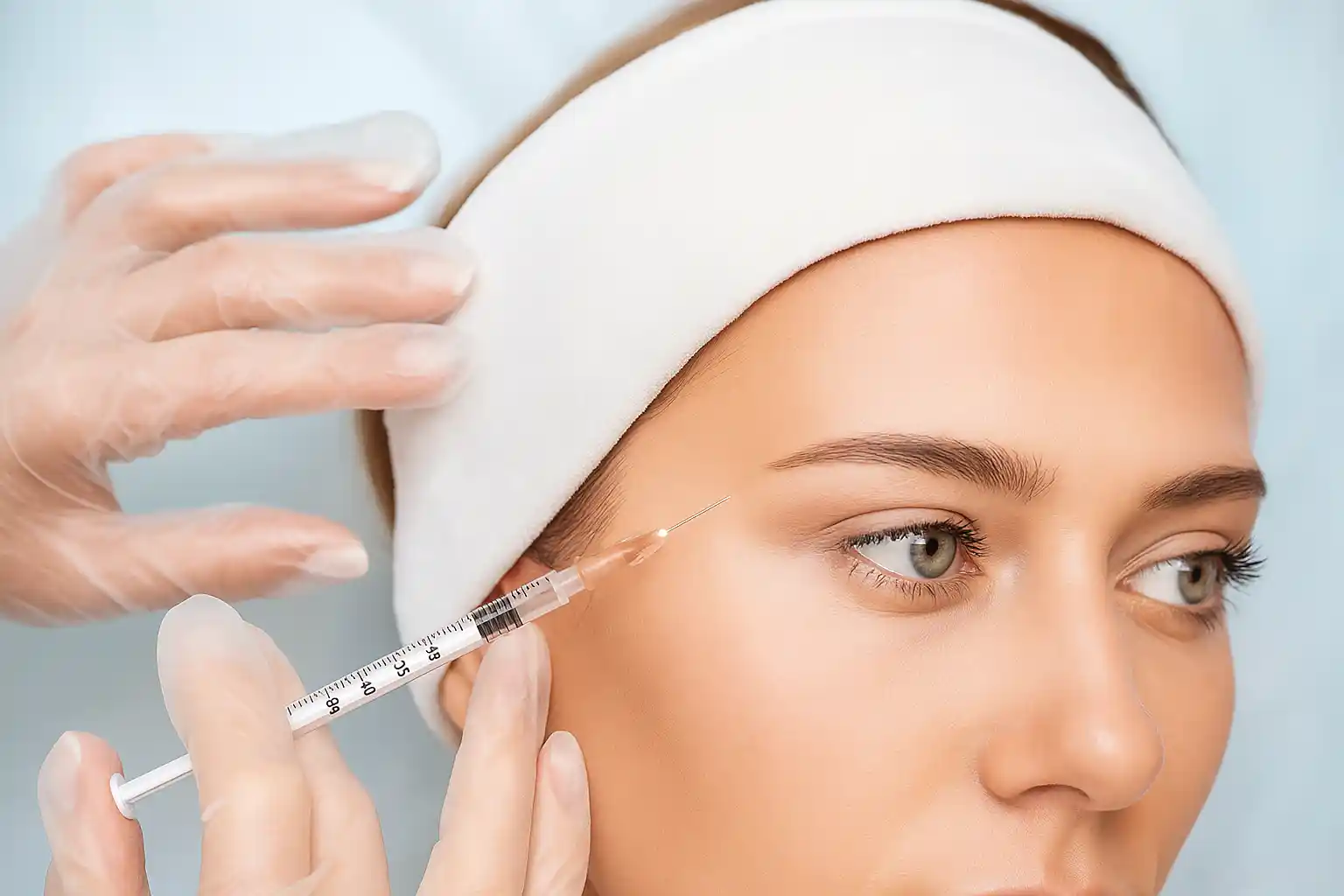
Dull, Tired Skin
Skin that no longer reflects light evenly is often dehydrated at the dermal level, a concern hyaluronic acid biostimulators address directly.
Explore dull, tired skin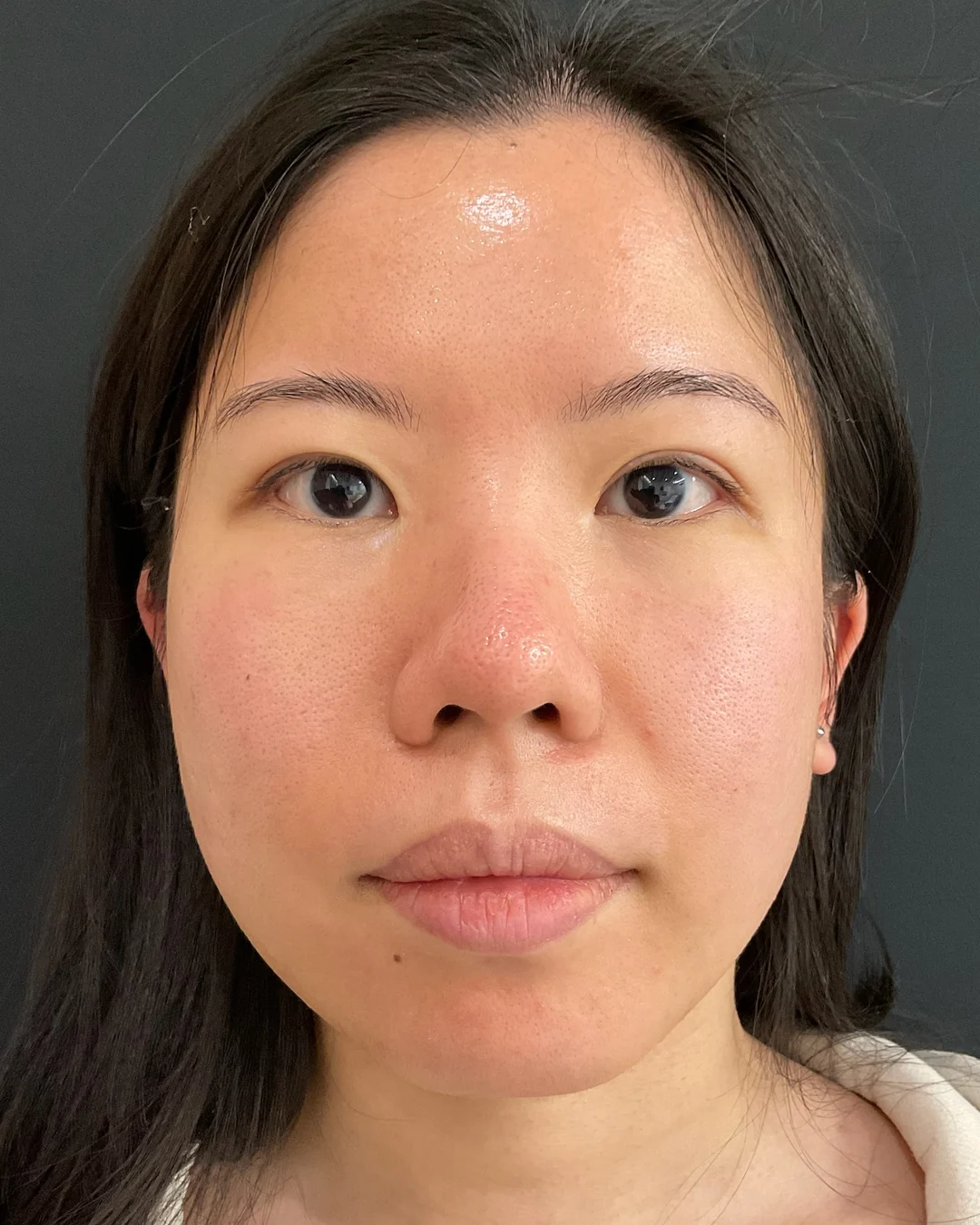
Wrinkles & Fine Lines
Static lines that form as the dermis thins respond to improvements in tissue density, which is a different mechanism from relaxing the muscles beneath them.
Explore wrinkles and fine linesWhat to Expect Before, During and After Biostimulator Treatment
Every biostimulator treatment at Amer Clinic follows a structured, clinically supervised process designed to ensure safety, comfort and results that develop in a way that remains entirely natural to you.
Before
A detailed skin assessment establishes which type of biostimulator is appropriate, at what depth, and over how many sessions. A full medical history is taken to confirm suitability, and the plan agreed at this stage sets the intervals between appointments.
During
The area is cleaned and a topical numbing agent applied. Injections are placed at mapped points using technique calibrated to the product and the tissue being treated. Most sessions are completed within thirty to sixty minutes depending on the area.
After
Mild swelling, redness or tenderness at the injection sites is normal and typically settles within a day or two. Aftercare instructions are provided, and where a massage protocol applies, following it supports even distribution and influences the final result.
Treatments Paired With Biostimulators
Biostimulators are often planned alongside complementary treatments so that volume, skin quality and structure are addressed together. These are the pairings most commonly considered at consultation.
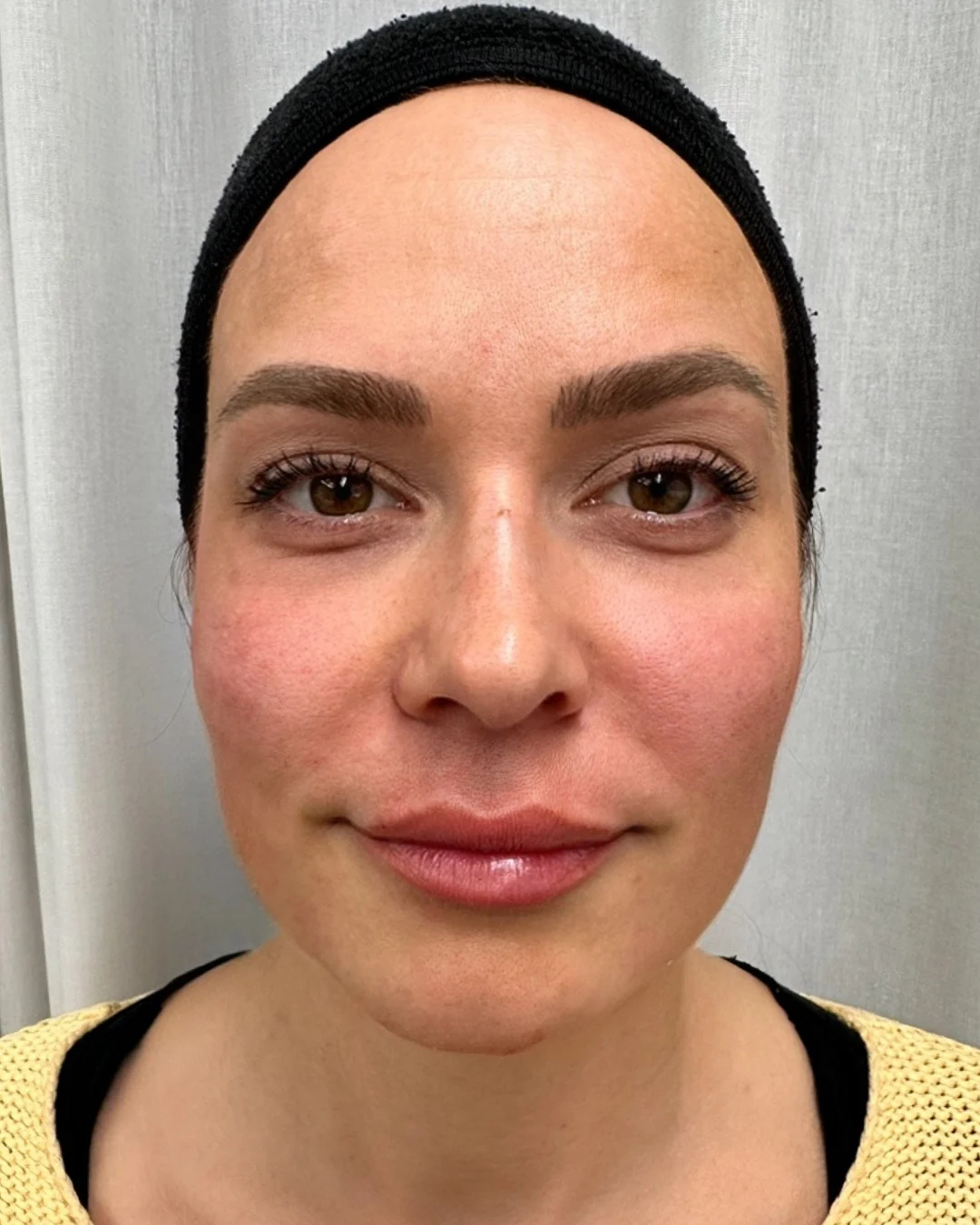
Dermal Fillers
Immediate, targeted volume that complements the gradual collagen building of biostimulators, often combined for a complete facial result.
Explore dermal fillers
Anti-Wrinkle Treatment
Relaxes dynamic lines caused by muscle movement while biostimulators improve the density of the skin those lines form in.
Explore anti-wrinkle treatment
Morpheus8
Radiofrequency microneedling that remodels and tightens tissue at a complementary depth, frequently sequenced with injectable biostimulation.
Explore Morpheus8The Amer Clinic Experience





Frequently Asked Questions
Biostimulators are injectable treatments that encourage your skin to produce its own collagen and elastin rather than adding instant volume. They work by creating a controlled stimulus within the dermis that prompts fibroblasts to increase their output, improving firmness, texture and hydration gradually over a series of weeks.
A dermal filler occupies space beneath the skin to produce an immediate, localised change in contour, and is gradually absorbed. A biostimulator occupies no meaningful space. It acts as a signal, and the material itself is metabolised as new collagen forms in its place. Fillers correct a specific deficit quickly; biostimulators improve the quality of the tissue slowly. The two are frequently used together.
Most biostimulator courses run to two or three sessions spaced four to six weeks apart, though hyaluronic acid skin boosters are often started as a course of three at two to four week intervals. The right course depends on the product used and the degree of change required, and is confirmed at consultation.
Results are gradual. With poly-L-lactic acid, improvements typically appear from around six to twelve weeks and continue to develop over several months as collagen forms. With hyaluronic acid skin boosters, initial hydration and clarity can be seen within days, with the full effect at three to four weeks.
Poly-L-lactic acid results can last up to two years after a completed course. Hyaluronic acid skin booster results typically last four to six months. Longevity in both cases depends on the area treated, baseline skin quality and lifestyle factors, with maintenance sessions recommended to sustain the benefit.
Discomfort is minimal. A topical numbing agent is applied before treatment and most patients report only mild sensations during the injections. Any tenderness afterwards is short-lived.
Biostimulators suit adults experiencing skin thinning, loss of firmness, dullness, or early signs of ageing who want natural-looking improvement without changing facial shape or expression. They are not appropriate during pregnancy or breastfeeding, in areas of active infection or inflammation, or for patients with certain autoimmune or connective tissue conditions. Suitability is confirmed at consultation.
Downtime is minimal. Mild swelling, redness or tenderness may occur at the injection sites but typically settles quickly, allowing most patients to return to normal activities within a day.
Yes. Biostimulators are often combined with lasers, dermal fillers, or Morpheus8 to address different layers and mechanisms within one plan. Sequencing matters, and the appropriate order is set at consultation.
It depends on whether the concern is structural or surface. Where firmness and dermal support have declined, a poly-L-lactic acid biostimulator such as Sculptra works at the required depth. Where the concern is hydration, dullness or fine surface lines, a hyaluronic acid skin booster such as Restylane is usually more appropriate. Many patients benefit from both, sequenced across a plan.
Related Reading
Further clinical background on collagen regeneration and where injectable biostimulation sits within a wider treatment plan at Amer Clinic.
A Guide to Non-Surgical Facial Rejuvenation
How the main non-surgical options compare, and where biostimulators sit among them.
Read the articleSculptra at Amer Clinic
The structural biostimulator used across the face, body and hands, with protocols specific to each area.
Explore Sculptra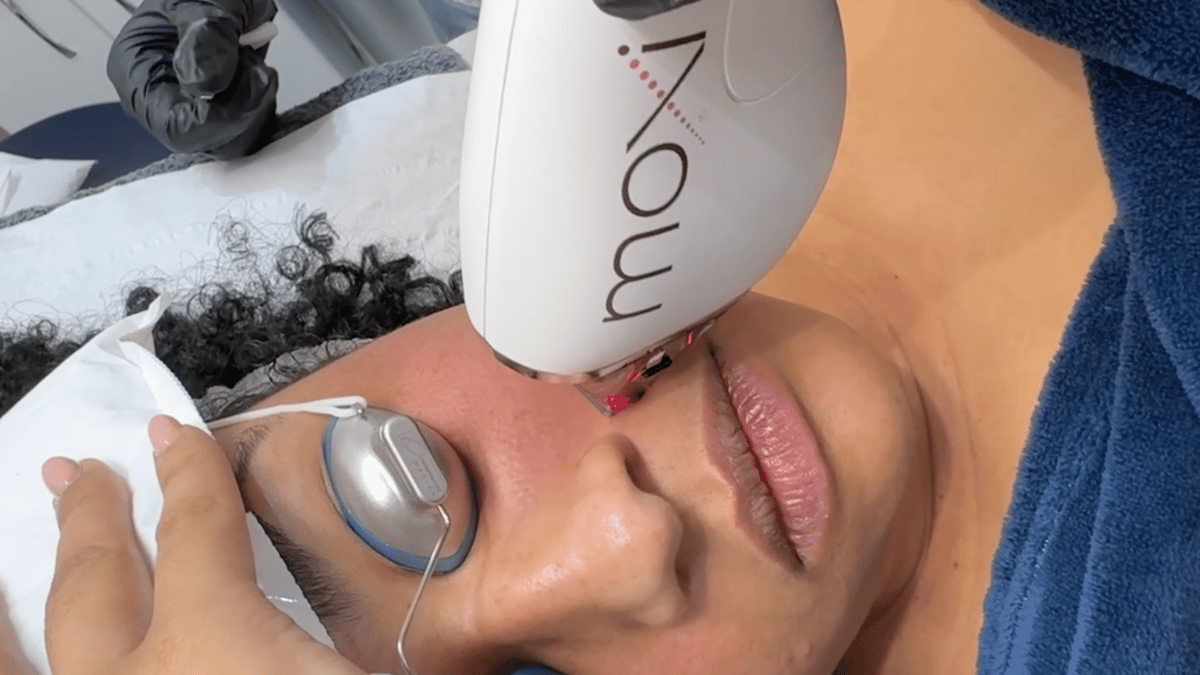
Restylane Skin Boosters at Amer Clinic
Hydration and surface quality treatments for dull, tired, or dehydrated skin.
Explore Restylane skin boostersBegin Your Skin Transformation
Book a private consultation to establish which biostimulator approach suits your skin, and how a course should be structured. Every plan begins with a detailed assessment rather than a fixed protocol.
Book a Consultation