






Post-Procedure Lymphatic Drainage
You've done the hard part. Don't leave the results to chance.
Clinical, procedure-specific manual lymphatic drainage, started early and delivered by a specialist who already knows exactly what was done to your body. The single most impactful thing you can do to protect your surgical result.
Post-Surgical Lymphatic Drainage London | Amer Clinic Kensington
What Manual Lymphatic Drainage Actually Does
Your lymphatic system is a parallel circulatory network, a web of vessels carrying lymph fluid toward node clusters at your groin, underarm and neck, where it is filtered and returned to the bloodstream. It moves that fluid through pressure changes and muscle movement, not a dedicated pump. Surgery interrupts it.
Manual lymphatic drainage applies light, rhythmic, directional pressure to the skin, not deep tissue and not muscle. This mimics the natural stretch that activates lymphatic vessels, coaxing fluid along channels that are still functional toward nodes that can process it. Done correctly, it accelerates the clearance of post-surgical oedema and bruising, reduces pressure on nerve endings to lower pain and tightness, keeps tissue soft during the critical healing window to prevent fibrosis, and supports cleaner scar formation by improving perfusion around incision sites.
Book a Consultation
Why Drainage Is Not Optional
Surgery triggers an inflammatory response and fluid floods the tissues to begin healing. That is correct for the first 48 to 72 hours. After that, the excess fluid stops helping and starts causing problems. Clinical evidence consistently shows that patients who receive structured drainage after plastic surgery recover meaningfully faster, with some research indicating recovery time reduced by up to 50 to 70 percent. Left unmanaged, retained fluid leads to:
Without intervention, post-surgical oedema can linger for six months or more, obscuring your result and keeping you uncomfortable long after you expected to feel like yourself again.
Fluid that isn't moved collects into pockets under the skin. Seromas are one of the most common complications after tummy tucks, liposuction and body contouring. They can require aspiration, delay healing, and in some cases require further intervention.
Stagnant fluid and inflammatory proteins cause connective tissue to harden into lumps, firmness and unevenness that compromise the contour your surgeon worked to achieve. Once fibrosis establishes itself, it is significantly harder to resolve.
Poor lymphatic flow around incisions creates the conditions for wider, thicker and more visible scarring, exactly where you least want it.
The pressure of retained fluid on nerve endings is a primary driver of post-surgical discomfort. Moving that fluid relieves pressure, and most patients feel lighter and less tight immediately after a session.
Recovery, Mapped to Your Procedure
The lymphatic channels in your body run in fixed, mapped routes. Surgery cuts through some of them, and where fluid backs up depends entirely on what was done and where. A therapist who doesn't know your operation is working blind. Every session at Amer is mapped to your specific procedure.
An abdominoplasty or liposuction disrupts the channels draining the abdomen, so fluid settles across the tummy and flanks. Drainage is directed to move that fluid toward the nodes that can still process it, working carefully around incisions and any active drains to resolve swelling before it has a chance to harden.
Breast augmentation, reduction and uplift affect the drainage routes toward the underarm. Sessions guide fluid along the channels that remain open toward the axillary nodes, easing tightness and pressure while protecting the healing tissue and incision lines.
A thigh lift interrupts the groin pathways. Drainage re-routes fluid toward nodes that can still handle it, keeping the inner thigh soft and mobile and reducing the swelling that would otherwise settle, firm and distort the contour.
An arm lift, or brachioplasty, affects the channels running up the inner arm. Light, directional work moves fluid toward the underarm nodes, easing the heaviness of the early weeks and supporting a cleaner, more comfortable recovery.
Meet Giseli Freybote
Giseli is an experienced Lymphatic Drainage and Post-Surgical Recovery Specialist with more than 15 years of international experience across Brazil, France and the UK. She trained and works inside our surgeon-led clinic, so she knows the procedures performed here, where incisions are placed, and how fluid behaves in the first week versus the third.
That means from your very first session she is working the correct drainage map for your specific procedure, at the stage of healing you are actually in. She isn't adapting a generic routine. This is the clinical difference between a pleasant experience and a recovery that goes as well as it possibly can.
Read Giseli's Full Profile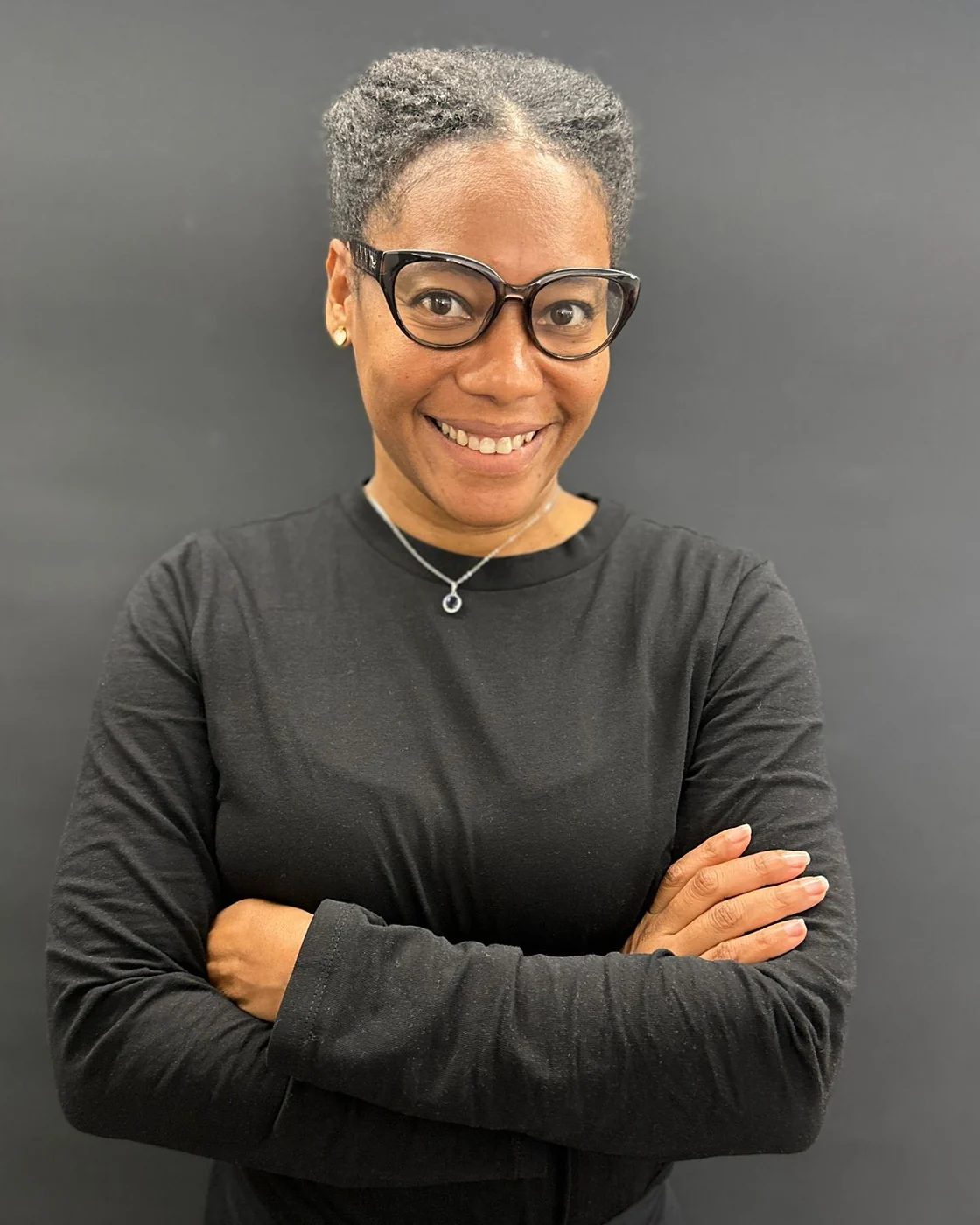
Frequently Asked Questions
Completely. Spa drainage is a standardised routine applied to healthy tissue. What Giseli provides is procedure-specific, clinically informed drainage, mapped to your operation, your incision sites and your stage of healing. She knows the anatomy that was altered and how to work safely around it. The two are not comparable.
As soon as you are cleared, typically within the first week. Starting early is where the greatest gains are made. Waiting until swelling has established itself means working harder to shift what has already settled.
No, though a referral from your surgeon helps us coordinate your aftercare. If you come to us directly, we confirm you are ready before your first session.
No. Lymphatic drainage works at the surface of the skin with gentle, rhythmic pressure, not deep tissue work. Even in the tender first fortnight, most patients find sessions genuinely relaxing.
It creates the conditions for your result to be expressed as cleanly as possible, by resolving swelling efficiently, preventing fibrosis, supporting scar healing and keeping tissue soft and mobile. The outcome your surgeon achieved is protected and enhanced by recovery done properly.
Protect the Result You've Invested In
The most consequential weeks of your recovery happen before you feel recovered. Don't navigate them without clinical support built specifically for what you've had done. Mobile sessions at home for the first two weeks, then in-clinic at Amer, Kensington. Available individually or as a recovery course.
Book a Consultation