





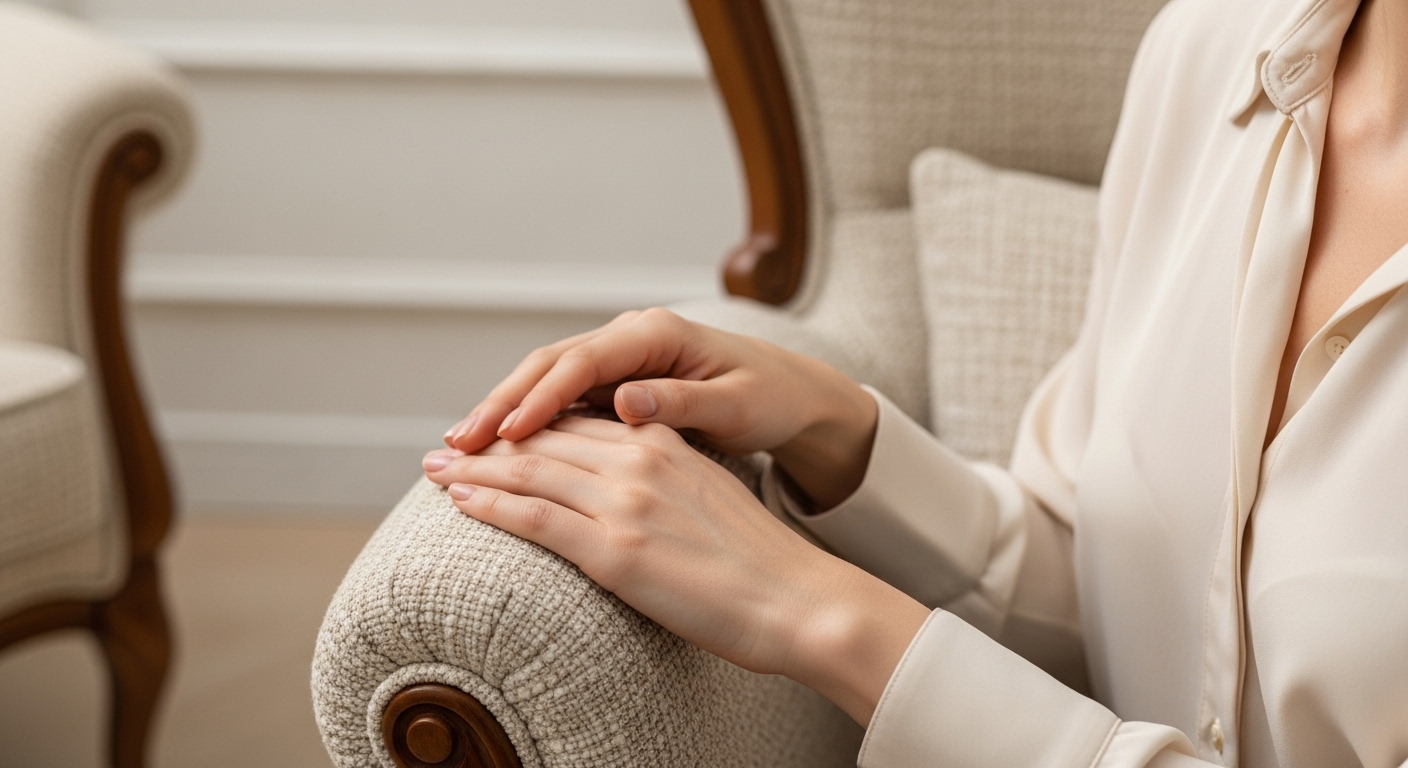
Restore Support. Refine Texture.
Hands often show age before the face. The skin covering them is thin, the soft tissue beneath it minimal, and both are exposed to more sunlight and mechanical wear than almost anywhere else on the body. As collagen declines, the underlying veins and tendons become more visible and the surface takes on a crepey texture that no hand cream will reach.
Sculptra for the hands addresses this at the level where the change is happening, gradually rebuilding the skin's own structural support so that the improvement develops naturally and holds.
Book a ConsultationSculptra Hands Kensington, London | Collagen Hand Rejuvenation | Amer Clinic
How Sculptra Rejuvenates the Hands
Sculptra contains poly-L-lactic acid (PLLA), a biocompatible, biodegradable material used in medicine for decades. Injected into the tissue on the back of the hand, PLLA microparticles form a temporary scaffold that prompts the surrounding fibroblasts to increase collagen production. As the material is metabolised, new collagen develops in its place, thickening the dermis and restoring the soft tissue support that has thinned over time.
Sculptra hand rejuvenation is offered at our Kensington clinic, welcoming patients from across West London.
The hands present a particular technical challenge. Skin here is among the thinnest on the body, the structures beneath it sit close to the surface, and the area is in constant motion. Injection depth, dilution and volume all differ considerably from facial and body protocols, which is why this treatment is planned separately rather than added on to a facial course. The result is a gradual improvement in firmness and texture, with full movement and natural appearance preserved throughout. Sculptra sits within the wider range of collagen biostimulators offered at the clinic.
Book a Consultation
Sculptra Hands Overview
Ageing in the hands follows a different pattern from the face. There is comparatively little fat to lose, so the change patients notice is not hollowing but exposure: as the dermis thins and the thin fat layer beneath it diminishes, the tendons and veins that were always present simply become more visible. At the same time, cumulative sun exposure degrades the collagen and elastin near the surface, producing the crepey quality that patients most often describe.
Sculptra addresses both changes through a single mechanism. Rebuilding collagen thickens the dermis, which softens the appearance of the underlying structures and improves surface texture at the same time. Because the improvement is structural rather than superficial, it does not wash off, wear away through daily use, or require continuous topical maintenance.
Choosing Sculptra for the Hands
Sculptra suits patients whose concern is loss of soft tissue support, prominence of veins and tendons, or thinning, crepey skin across the back of the hand. It is particularly appropriate where the face has already been addressed and the hands no longer match, a mismatch that is common because hands are so frequently overlooked in a treatment plan.Patients often describe the concern simply as veiny, ageing hands, without separating the loss of soft tissue support from the surface changes sun exposure produces on its own.
It is less appropriate where the primary concern is age spots or pigmentation, which are a surface issue and respond better to light-based treatment. Many patients need both, sequenced across a plan. Treatment is preceded by a detailed assessment with Dr Priyanka Chadha or a member of the Amer Clinic medical team, and injection depth, volume and session spacing are set according to your individual anatomy.
Sculptra Hands vs. Dermal Fillers
Both approaches are used on the hands and they work differently. Hyaluronic acid fillers add volume directly to the back of the hand, producing an immediate reduction in the prominence of veins and tendons that the body gradually absorbs. Sculptra produces no immediate change. It stimulates collagen, thickening the dermis itself over several months, so the improvement is in the quality of the skin rather than the volume beneath it.
The choice depends on what you want and how quickly. Where an immediate result matters, dermal fillers are the faster route. Where the priority is skin that looks and feels better in itself, and holds that improvement for longer, collagen stimulation is the more considered option. The two are not mutually exclusive.
Is Sculptra for the Hands Worth It?
The hands are difficult to disguise and among the first areas people notice, which is why the mismatch between a well-maintained face and untreated hands is so often the reason patients come in. Sculptra addresses that mismatch at the source rather than covering it, and because the collagen is your own, a completed course can hold its effect for up to two years.
It requires patience. Nothing visible happens for the first several weeks, and the change accumulates across a course rather than arriving at the end of an appointment. Where an immediate result is required before a specific date, it is not the right choice. Cost reflects the number of sessions your hands require, confirmed at consultation once the area has been assessed.
Ideal Applications
Sculptra for the hands is suited to concerns rooted in declining dermal support, where rebuilding the skin's own structure addresses the cause rather than the appearance.
Veins and tendons on the back of the hand become more visible not because they change but because the tissue covering them thins. Rebuilding collagen restores that covering gradually, softening their prominence while preserving the full range of movement and the natural contours of the hand.
Crepey texture on the hands reflects degradation of collagen and elastin near the skin surface, accelerated by cumulative sun exposure. Because the cause sits within the dermis, topical products cannot reach it. Collagen stimulation works at the required depth, improving density and surface quality across the treated area.
Hands are frequently omitted from a treatment plan, and the result is a visible mismatch between a well-maintained face and hands that have continued to age unaddressed. Treating the hands with the same biostimulator used on the face brings the two back into proportion, using a consistent approach across both.
For patients in their forties noticing early thinning before veins have become prominent, collagen stimulation offers a considered preventative approach. Supporting dermal density before significant loss occurs is more straightforward than restoring it afterwards, and the treatment integrates easily into an existing plan.
Related Concerns
Hand ageing rarely presents in isolation. These are the concerns most often addressed alongside collagen stimulation of the hands.

Crepey Neck & Hands
Thin skin on the hands, neck and décolletage shows collagen loss earliest, and the same biostimulation approach applies across all three.
Explore crepey neck and hands
Pigmentation & Sun Damage
Hands accumulate more sun exposure than almost any other area, often showing as age spots. Pigmentation is a surface concern and needs a different approach from collagen loss.
Explore pigmentation and sun damage
Wrinkles & Fine Lines
Fine lines that form as the dermis thins respond to improvements in tissue density rather than to surface treatment alone.
Explore wrinkles and fine linesWhat to Expect Before, During and After Sculptra for the Hands
Treatment at Amer Clinic follows a structured, clinically supervised process designed to ensure safety, comfort and a result that integrates naturally with the rest of your appearance.
Before
An assessment of the hands establishes dermal thickness, the degree of soft tissue loss and the extent to which underlying structures are visible. A full medical history confirms suitability. Injection sites, volume and the number of sessions are agreed at this stage, along with the intervals between them.
During
The area is cleaned and topical anaesthetic applied. Sculptra injections are placed at mapped points using a technique and dilution specific to the thin skin and shallow anatomy of the hand. Sessions are typically completed within thirty minutes.
After
Mild swelling, tenderness or bruising is normal and settles within a few days. A massage protocol is provided to support even collagen distribution, and following it influences the outcome. Light activity can resume immediately, though strenuous exercise and heat exposure are best avoided for forty-eight hours.
Treatments Paired With Sculptra Hands
Because collagen loss and sun damage present together on the hands, treatment is often planned as a combination. These are the pairings most commonly considered at consultation.
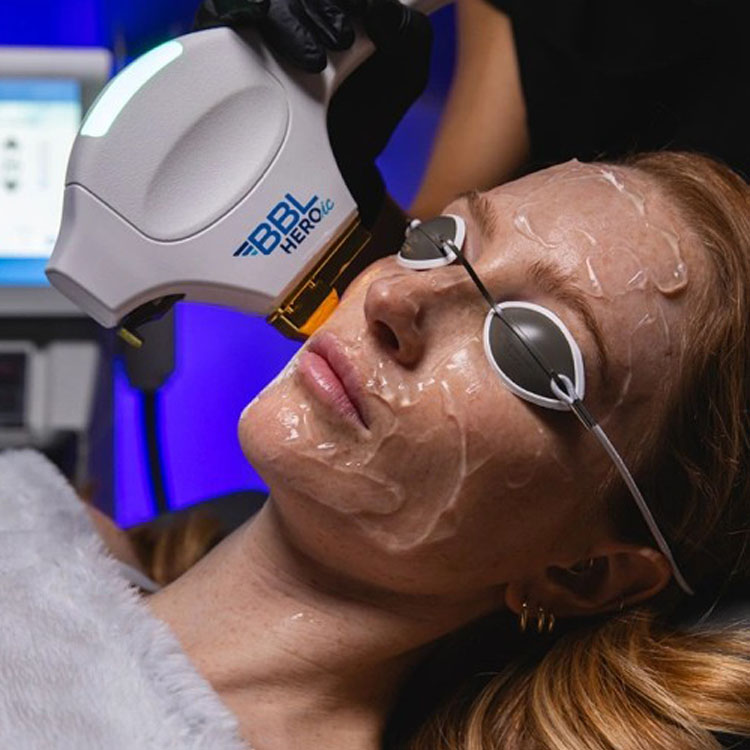
BBL HEROic
Targets the sun spots and vascular marks that Sculptra does not address, correcting surface tone while collagen rebuilds beneath it.
Explore BBL HEROic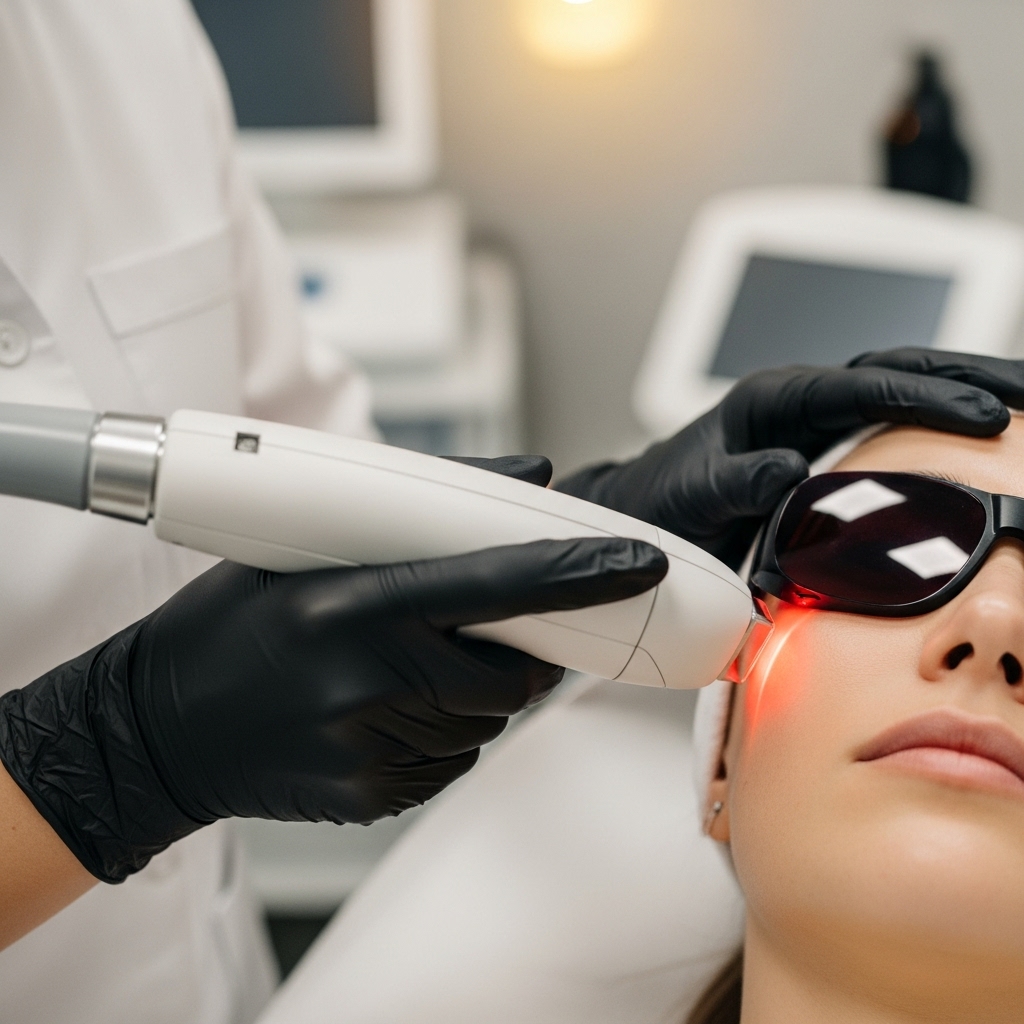
MOXI™ Laser
Gentle resurfacing that refines texture and evens tone, working at the surface while biostimulation works at depth.
Explore MOXI Laser
Morpheus8
Radiofrequency microneedling that remodels tissue at a complementary depth, frequently sequenced with collagen stimulation for firmer skin.
Explore Morpheus8The Amer Clinic Experience





Frequently Asked Questions
Sculptra stimulates your skin's own collagen production beneath the surface. As new collagen forms, the dermis thickens, restoring soft tissue support, softening the appearance of veins and tendons, and improving surface texture. The change develops gradually rather than appearing on the day of treatment.
Yes, over time. Veins and tendons become prominent because the tissue covering them thins, not because they change. As collagen production increases and the dermis becomes denser, that covering is gradually restored and their prominence softens. Because the mechanism is collagen formation, the effect builds across the course rather than appearing at once.
Most patients complete a course of two to three sessions spaced four to six weeks apart, though this depends on dermal thickness and the degree of change required. The exact course is confirmed at consultation following assessment of the area.
Visible change typically begins from around six to twelve weeks and continues to develop as the course progresses. Once complete, results can be maintained for up to two years. Longevity depends on the number of sessions completed, baseline skin quality, sun exposure and lifestyle, and can be extended with maintenance sessions.
Discomfort is generally mild and most often described as brief pressure. Topical anaesthetic is applied before treatment. Some tenderness or bruising afterwards is normal given how thin the skin is in this area, and it settles within a few days.
The hands are anatomically shallow, with tendons, vessels and nerves close to the surface, which is why depth and technique matter more here than in most areas. Side effects are typically limited to swelling, tenderness or bruising and are temporary. All treatments at Amer Clinic are delivered by a GMC-registered doctor following a full assessment.
Patients noticing loss of soft tissue support, prominent veins and tendons, or crepey, thinning skin across the back of the hand are generally well suited. It is not appropriate during pregnancy or breastfeeding, in areas of active infection or inflammation, or for patients with certain autoimmune or connective tissue conditions. Suitability is confirmed at consultation.
Yes, and it frequently is, because collagen loss and sun damage present together on the hands. Sculptra works beneath the surface to rebuild structure, while BBL HEROic and MOXI™ laser address pigmentation and texture at the surface. Chemical peels can further refine tone. Sequencing matters and is planned at consultation.
Light daily activity can resume immediately. Strenuous exercise, heavy sweating and heat exposure such as saunas or hot yoga are best avoided for forty-eight hours, allowing the skin to settle and supporting even collagen distribution.
Yes. Sculptra works through collagen stimulation rather than light or heat energy, so it carries no pigment-related considerations and is appropriate across all skin tones. Where light-based treatment is added for pigmentation, settings are adjusted and patch tested to protect melanin-rich skin.
No. Age spots, or solar lentigines, are a pigmentation concern caused by cumulative UV exposure and sit within the pigment-producing cells at the skin's surface. Sculptra works beneath this, rebuilding the collagen and soft tissue support that thin with age, so it does not lighten existing brown spots. Patients with both concerns are usually best served by a combined plan: pigment-focused treatment such as BBL HEROic or MOXI™ laser for the spots themselves, and Sculptra for the structural changes such as visible veins, tendons and crepey texture.
Related Reading
Further clinical background on collagen stimulation and where hand rejuvenation sits within a wider treatment plan at Amer Clinic.
Age Spots on Hands: What Causes Them and How to Get Rid of Them
Why the hands show age spots, prominent veins and crepey texture together, and why each needs a different approach.
Read the article
Sculptra Cost London: What Shapes the Price of a Course
How area treated, volume, sessions and practitioner shape the price of a course.
Read the article
Sculptra Recovery and Aftercare: What to Expect Week by Week
A week by week guide to swelling, massage and when results appear.
Read the article
Who Is Sculptra Suitable For?
How age, skin quality and anatomy shape the decision, and when another approach fits better.
Read the articleLet Your Hands Match the Rest
Book a private consultation to establish whether Sculptra for the hands is suited to your anatomy and goals, and how a course should be structured. Every plan begins with a detailed assessment rather than a fixed protocol.
Book a Consultation